Dzirnavu Street 16/k2, Riga, Latvia
 Latviešu
 English


On 28 April 2026, the Peer Learning Activity (PLA) “Transparency as a Key Element for Operational Qualifications Frameworks in Higher Education” took place in Riga, Latvia, within the Erasmus+ project “Qualifications Frameworks for Trust, Transparency and Diversity – TPG A 2” (QUATRA – TPG A 2).
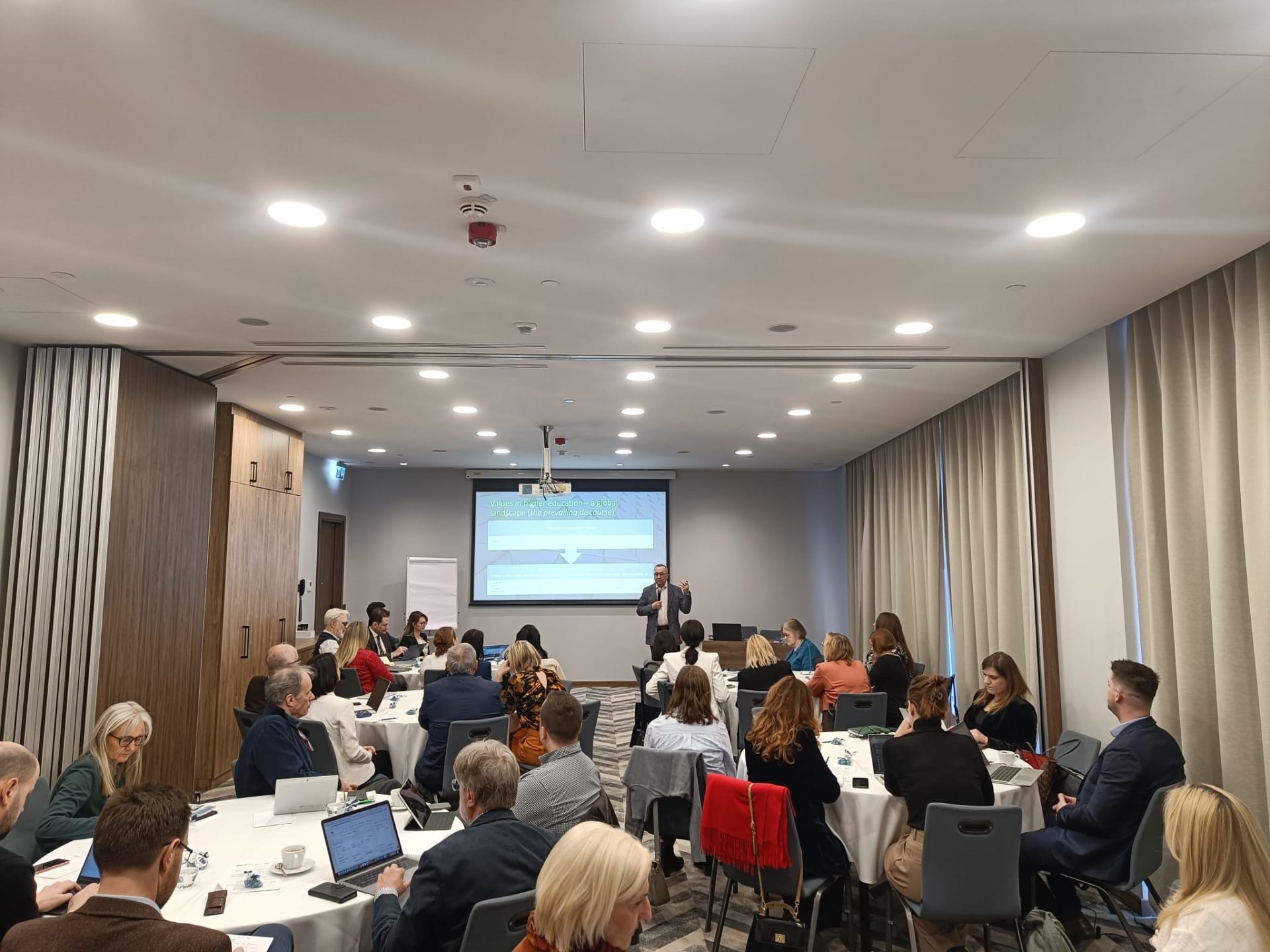
The Thematic Peer Group A on Qualifications Framework, working under coordination of the Bologna Implementation Coordination Group (BICG) and in synergy with the other thematic peer groups, fosters cooperation among countries of the European Higher Education Area (EHEA) to advance the development and alignment of national qualifications frameworks, and to strengthen the coherence of higher education systems. The TPG A for the 2024–2027 term is co-chaired by France, Georgia, and Latvia, and consists of 35 members representing 31 countries and four organisations. The PLA on 28 April brought together more than 40 TPG A members, experts and stakeholders from across the EHEA to discuss how transparency contributes to effective and operational qualifications frameworks.
Qualifications frameworks play a crucial role in supporting the transparency, comparability, and recognition of qualifications. By describing qualifications through learning outcomes and providing common reference points across countries, they facilitate mobility, lifelong learning, and mutual trust between education systems. The event opened with a key note presentation by Dr Liviu Matei, Head of the King’s School of Education, Communication & Society at King’s College London, United Kingdom, who explored the importance of EHEA fundamental values, including academic freedom, institutional autonomy, academic integrity, democratic governance, and transparency. The presentation highlighted that transparent higher education systems rely on stakeholder participation, openness, and clear communication of qualifications and learning outcomes.
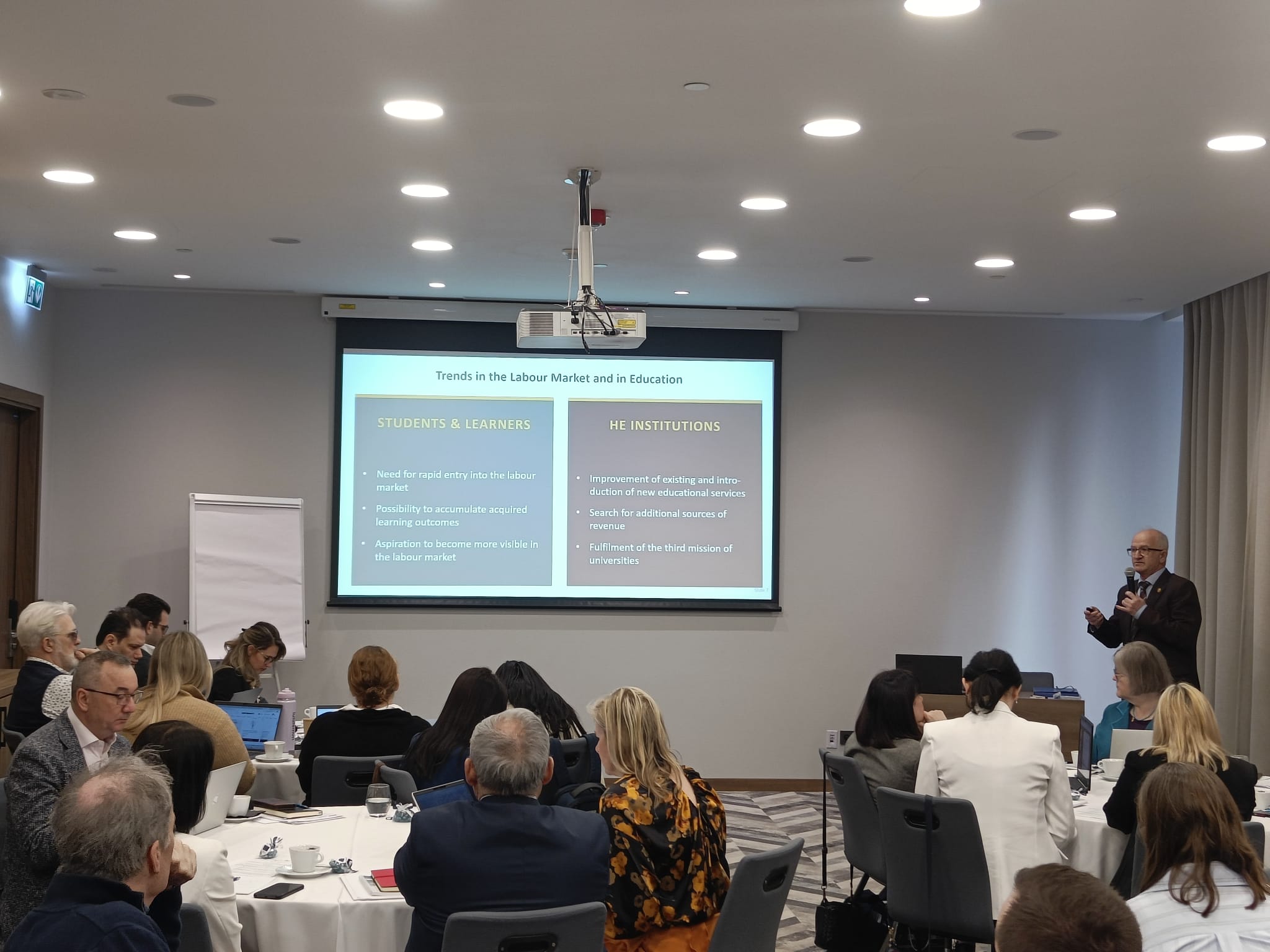
Building on the discussion of transparency and stakeholder engagement, the programme continued with a presentation on the Georgian experience in organising an inclusive self-certification process. Ketevan Panchulidze from the National Center for Educational Quality Enhancement (NCEQE), Georgia demonstrated how broad stakeholder involvement, including higher education institutions, employers, students, and public authorities, contributes to the credibility and sustainability of qualifications frameworks. Continuing the exploration of transparency in practice, Dr Sc. Yuriy Rashkevych, from Lviv Polytechnic National University, Ukraine addressed the role of transparency in strengthening the link between higher education and the labour market. He emphasised the importance of learning outcomes, occupational standards, flexible learning pathways, and micro-credentials in ensuring that qualifications remain understandable and relevant for employers and learners.
The discussion then turned to lifelong learning and the recognition of competences acquired outside formal education. The Latvian experience in the validation of non-formal and informal learning outcomes was presented by Gunta Kinta from the Academic Information Centre. The presentation highlighted the role of transparent learning outcomes and validation procedures in supporting lifelong learning, learner mobility, and the recognition of competences acquired through different learning pathways. The discussions were further enriched by the student perspective. Luīze Monta Remese, the president of the Student Union of Latvia presented the student viewpoint, underlining the importance of involving students in self-certification processes to ensure that qualifications frameworks remain understandable, accessible, and meaningful for learners.
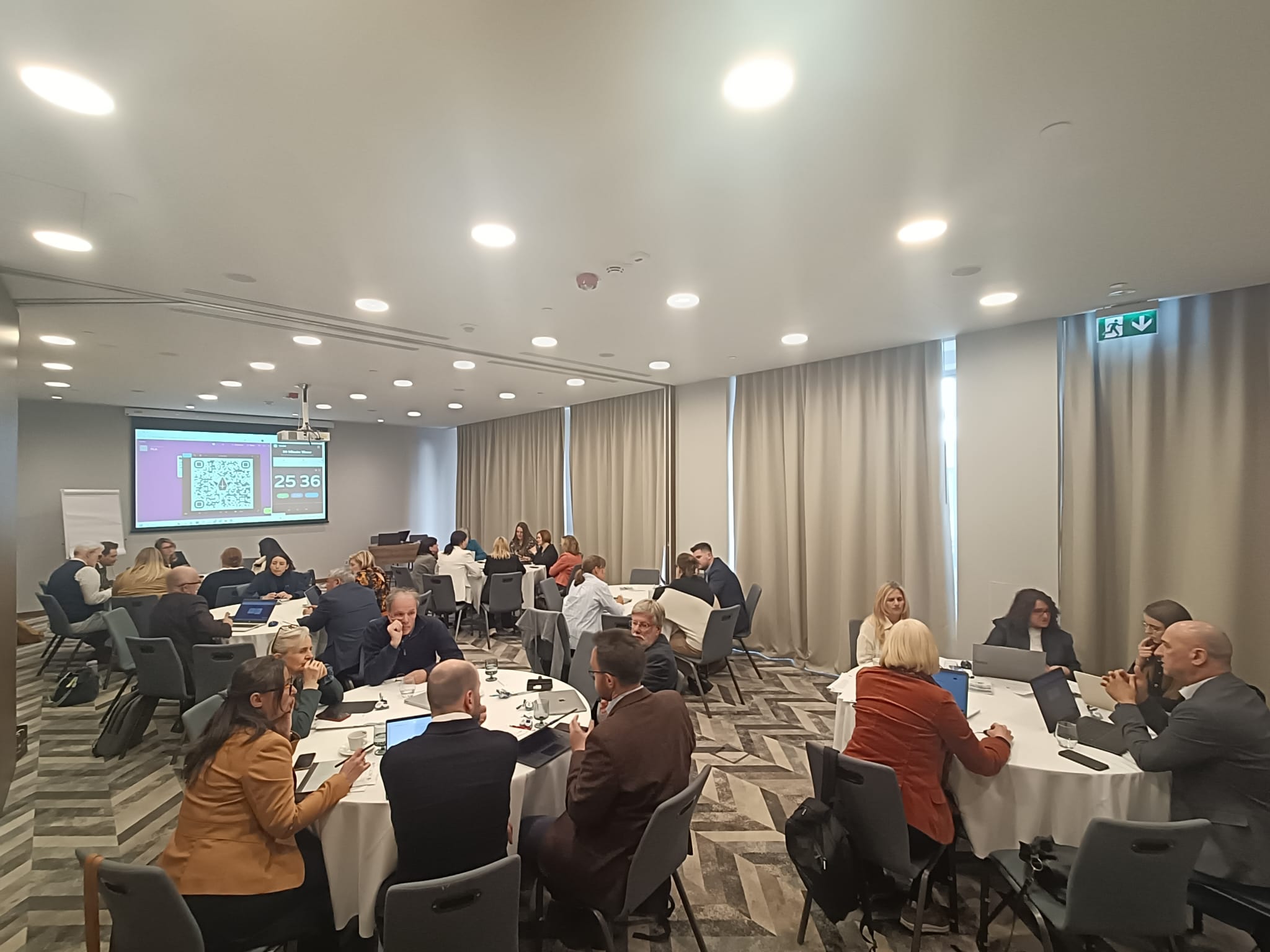
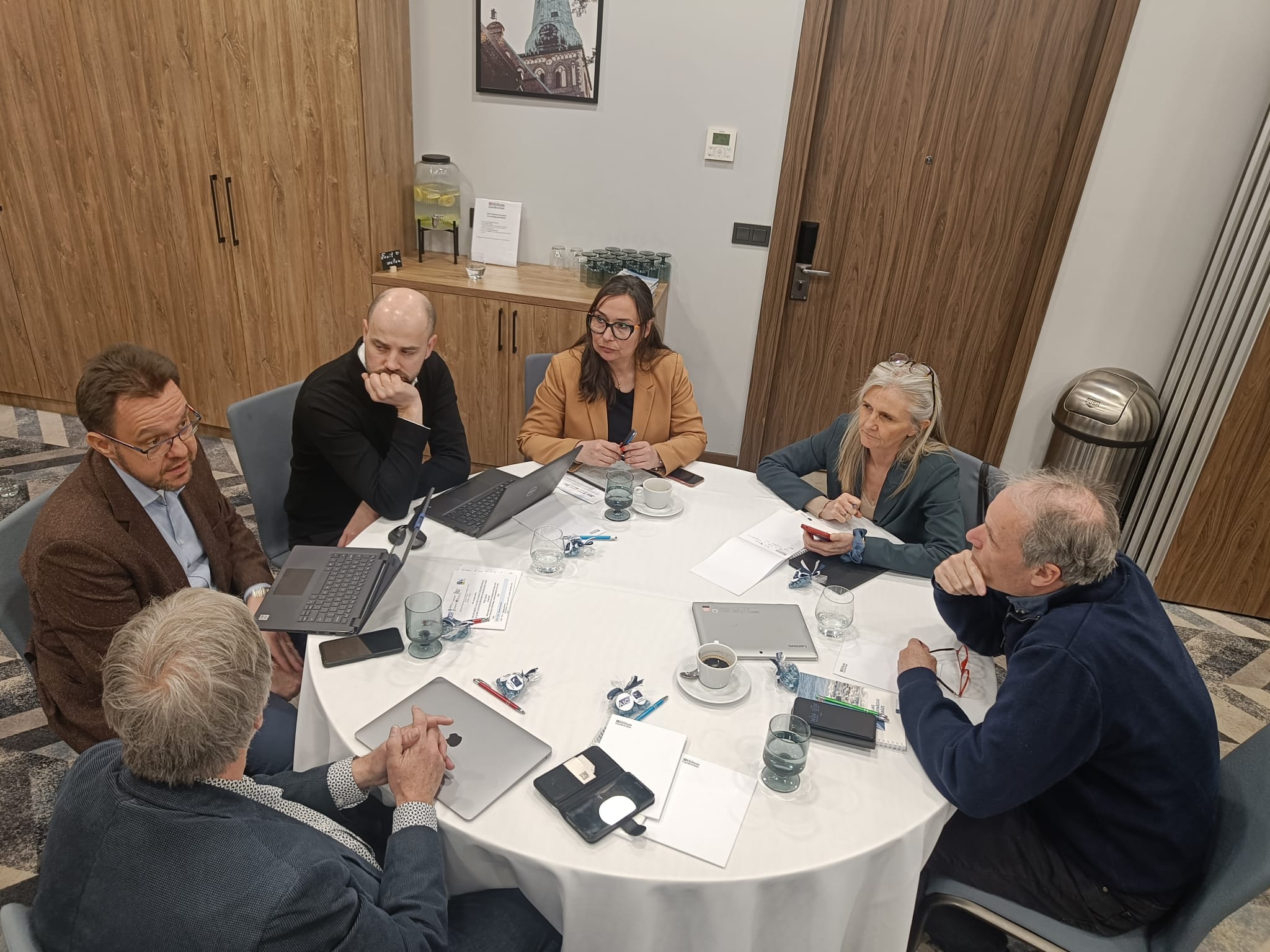
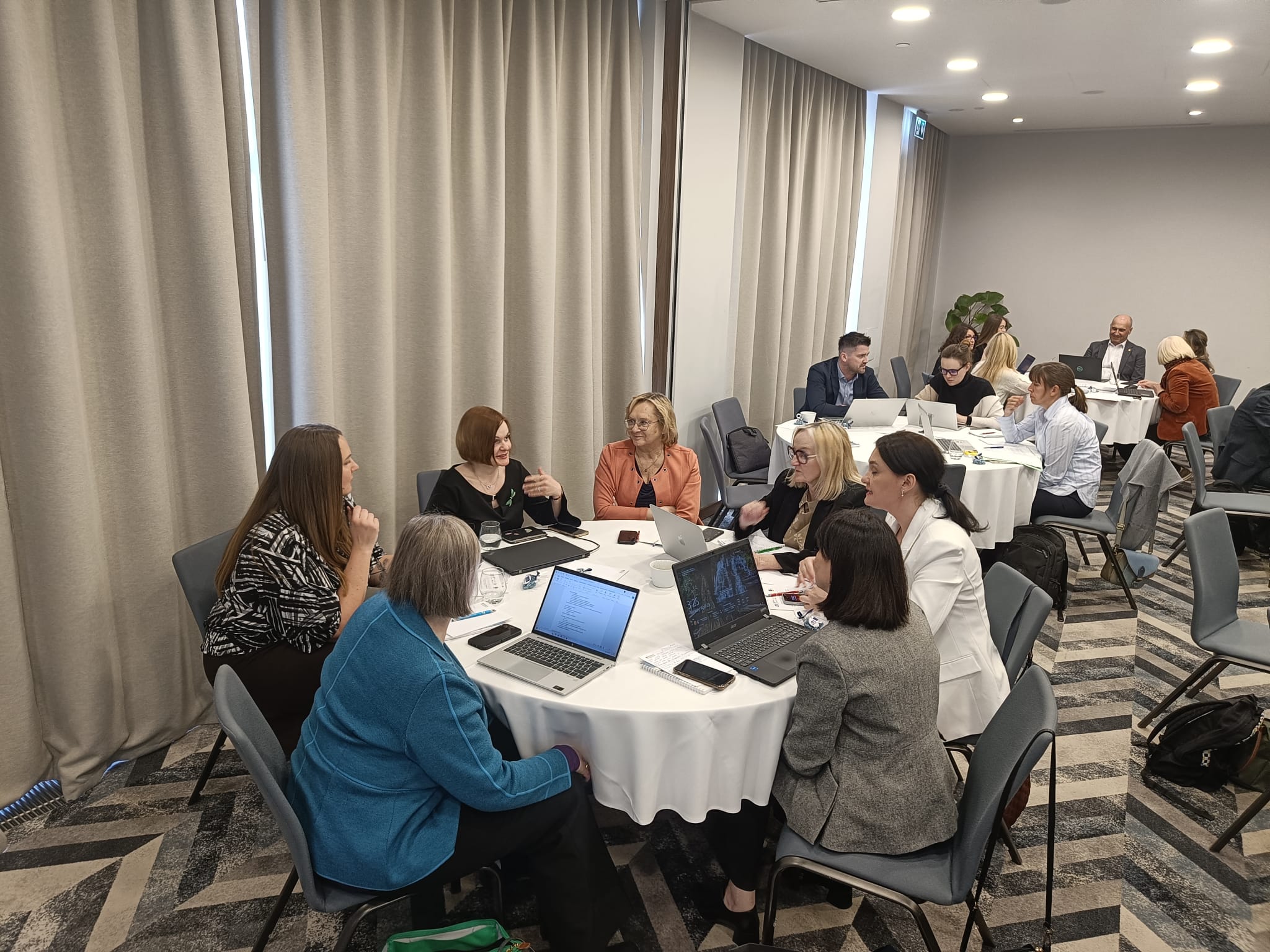
To encourage reflection on the topics discussed throughout the day, the event concluded with interactive group discussions facilitated by Ana Duplava, from European Association for the Applied Sciences in Higher Education (EURASHE). Participants exchanged views on the target audiences of self-certification reports and identified key principles for developing transparent, evidence-based, and user-friendly reports. The discussions confirmed that transparency is a key prerequisite for operational qualifications frameworks, and that transparent systems support recognition, mobility, lifelong learning, stakeholder engagement, and trust across the European Higher Education Area. The PLA also demonstrated the continued importance of developing and implementing qualifications frameworks across the EHEA and through the exchange of experiences and good practices, participants contributed to strengthening mutual trust, recognition, and cooperation among countries.
Further project activities will continue throughout 2026, with the next PLA planned to take place in Malta at the end of October, providing another opportunity for experts and stakeholders to exchange experiences and discuss current developments in qualifications frameworks and higher education transparency.